 Euro Roamer
Best places to go in 2027: 12 picks and who should skip them
Twelve picks from Condé Nast Traveler's 27 best places to go in 2027, with the practical detail that decides the trip: new lodges, new flights and where your money goes furthest.
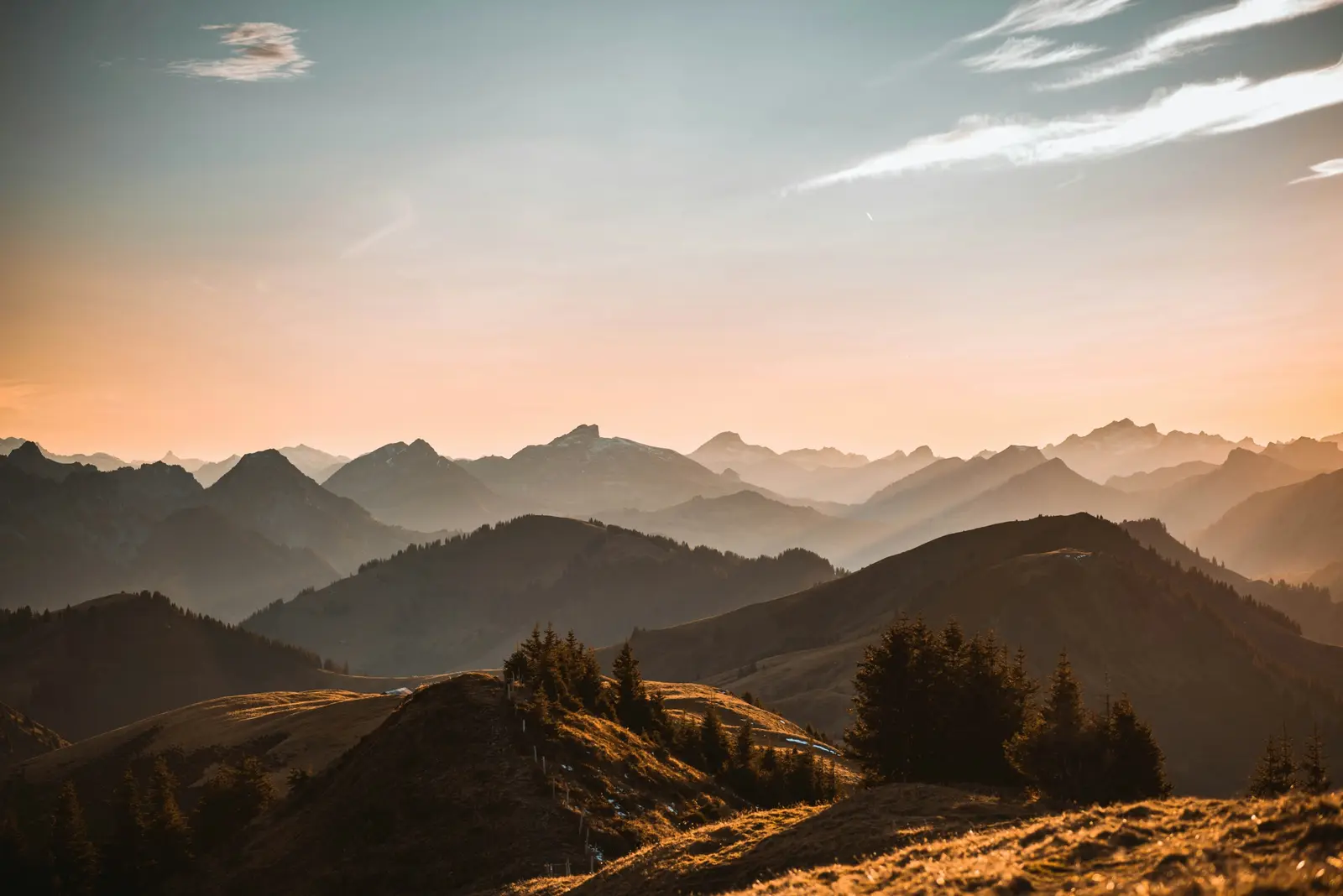
Condé Nast Traveler published its list of the 27 best places to go in 2027 in November 2026. Twelve of those picks appear in the reporting summarised here: six in Central and South America, three in North America, two in the Caribbean, and one in Australia. Europe's entries are not in that material, so this is the Americas and Pacific half of the answer, with the detail that decides whether the trip is affordable or not.
The list has a shape this year. It rewards places with something concrete behind them: a lodge that did not exist last season, an island with more flight seats, a region whose restaurant scene outgrew its wine reputation. It also rewards one place where the reason to go is recovery, and one where the reason is that it stayed low-rise while its neighbours went up.
Guyana, Preá and Chile's Central Valley
Guyana is the wildlife pick and the one that needs the most planning. The list points to a group of travel specialists running eco-lodges in the interior, with citizen science built into the stay: you help record what you see, and the records feed survey work. Guyana is also the only official English-speaking country in South America, which matters more than it sounds once the trip involves guided transfers. This is not a place to arrive and improvise. Book the lodge and the internal movement as one package.
Preá, on Brazil's northeast coast, has drawn kitesurfers for years; the wind is the attraction and the fishing fleet is the backdrop. What changed is the beds. Boutique hotels have opened within driving distance of the rolling dunes of Jericoacoara National Park, which turns a wind-sport week into something a non-kiting partner will accept. Skip it if you want galleries, restaurants and a city around you. Go if you want seven days of learning one thing badly and then well.
Chile's Central Valley is the food and wine entry, and the easiest of the South American picks to bolt onto a longer trip because it sits next to Santiago. New culinary openings and bottles from up-and-coming winemakers are the draw. Base yourself in the city, take day trips out, and book the small producers ahead; tasting rooms that size usually open by appointment.
Ecuador, Argentina and Costa Rica: picks built on timing
Ecuador's entry is the expedition cruise, the boat-based format where you unpack once and the itinerary moves around you. It suits anyone who wants a naturalist on board and a fixed daily plan, and it is a poor fit if you like changing towns every second day. Cruise prices are published by the operators rather than by the list, so compare directly before you commit.
Argentina is on the list explicitly for off-season trekking. That is where the saving sits and where the risk sits: quiet trails, reduced operator schedules and weather that decides your week for you. Ask a local operator about conditions before booking, and leave a spare day at each end of the walking.
Costa Rica's angle is next-gen wellness, aimed at people who have already done the volcano-and-hot-spring circuit. Look for retreat-style stays if you want the newer side of the country rather than the route that appears in every package.
Jamaica's south coast and Curaçao
Jamaica's South Coast is on the list because of Hurricane Melissa. The framing is deliberate: you go, you spend, and the communities leading their own recovery get the money, with turquoise water, farm-to-table dinners and design-forward boutique stays as the reward. Ask individual hotels what is open and what is still being repaired before you book flights. Some services will be thinner than the photographs suggest.
Curaçao got the World Cup bounce, and new flights and resorts followed it. Extra seats into a small island usually push fares down, which is the practical reason a Dutch Caribbean island suddenly looks affordable. The on-the-ground energy is the other half of the pitch.
Clayoquot, Willamette Valley and Taos
Clayoquot, on the west coast of Vancouver Island, has a new floating lodge owned by the Ahousaht First Nation. The reason to stay is the culture as much as the trees: you walk under old-growth cedars, soak in geothermal pools, and the visit is built around listening. You reach it by water, which is why it still feels empty.
Oregon's Willamette Valley has been a Pinot Noir address for decades. The newer story is food, with a varied restaurant scene built on the same farm-first thinking as the vineyards. It works as a driving trip with a sober driver, which is the unglamorous part of wine country nobody puts in the brochure.
Taos, New Mexico, pairs an arts revival with high-altitude country. The town sits high enough that day one feels like effort; give yourself a slow arrival before any hiking.
Queensland's Sunshine Coast
Condé Nast Traveler called the Sunshine Coast "the antidote to both Brisbane's big-city buzz and the Gold Coast's five-star flex: lower-rise, lower-key, but home to an increasingly sophisticated run of ambitious openings." That is the case in one sentence: the same stretch of Queensland water, fewer towers.
New rooms followed. The Avani Mooloolaba Beach Hotel is the first internationally branded resort in the town, a few steps from the beach, and a reviewer for Nine who had just returned from a stay singled out the rooftop: an infinity pool plus Sully's Rooftop, where the menu runs on local ingredients and includes a smoked wagyu beef snag in a milk bun with caramelised onion and bone marrow aioli. Elysium Noosa Resort has pushed Hastings Street further upmarket, and the Novotel Sunshine Coast Resort is finishing a $20 million renovation.
Skip it if you want the Gold Coast's high-rise strip, the theme parks and a main drag that stays loud after midnight. Mooloolaba and Noosa are early-to-bed towns with good coffee and a serious bakery queue.
Where your money goes furthest
Three of these picks are lodge or boat trips where the cost is bundled and hard to trim: Guyana's eco-lodges, Ecuador's expedition cruises and the Clayoquot floating lodge. You are paying for access and for someone else's logistics, so the way to save is fewer nights, not cheaper ones.
New hotels tend to compete for attention with opening rates, so the Sunshine Coast's new rooms may be better value in their first year than their third. Curaçao's extra flight capacity is the more durable saving, since it applies to every hotel on the island. Jamaica's south coast is the pick where the spend is the point, and where a guesthouse instead of a boutique stay still puts money into the same recovery. Argentina in the off season is the format where timing does the most work for the money, with weather as the price you pay for it.
Entry rules for Brazil, Chile, Ecuador and Curaçao change at short notice. Check them against the relevant embassy or government site rather than a forum, and make sure your insurance covers weather disruption if you are booking the Argentina trek.
Frequently asked questions
- What are the best places to go in 2027?
- Condé Nast Traveler named 27 in November 2026. The picks with something concrete behind them include Guyana for interior eco-lodges, Preá in Brazil for kitesurfing, Chile's Central Valley for wine, Jamaica's south coast for a recovery-minded beach trip, Curaçao for new flight capacity and Queensland's Sunshine Coast for a low-rise beach town.
- Is Jamaica's south coast open after Hurricane Melissa?
- Yes, according to the list, which frames a visit as support for communities leading their own recovery. Ask individual hotels what is operating before booking flights, because repair work varies from property to property and some services are still limited.
- What is there to do in Preá, Brazil?
- Kitesurf, mostly. The village has drawn wind sports for years, and the dunes of Jericoacoara National Park are a short drive away. New boutique hotels have opened within reach, so non-kiters have a reason to come along.
- Do I need a guide to visit Guyana's interior?
- Effectively yes. The list's picks are eco-lodges run with travel specialists, and the interior is not somewhere to improvise. Book the lodge and the internal transfers as a single package so the logistics sit with one operator.
- Should I pick the Sunshine Coast or the Gold Coast?
- The Sunshine Coast is lower-rise and quieter, anchored by Mooloolaba and Noosa. The Gold Coast has the towers, the theme parks and the nightlife. If you want a beach town that shuts early, take Queensland's Sunshine Coast.
Sources
More destinations

Black Friday travel deals 2026: up to 50% off Europe hotels
Expedia lists up to 50% off hotels and Booking.com up to 40% off stays, with its sale running to 2 December 2026. What those percentages really mean for a European trip.

Priceline promo codes: the best Cyber Week 2026 discounts
The best Priceline promo codes for Cyber Week 2026 mostly need no code at all: a free VIP account takes up to 40% off hotels. The $500 Express Deals coupon is a first-50 race.

Flying Blue is Europe's best airline rewards programme for 2026
point.me's 2026 ranking puts Air France-KLM's Flying Blue first in Europe and worldwide, with British Airways Club eighth. Here's what the scoring rewards, and where it misleads European flyers.