 Euro Roamer
Quietest cities in Europe 2027: Venice, Lisbon and Amsterdam lead
Europe takes all ten spots in a 2027 ranking of the world's quietest cities, led by Venice, Lisbon and Amsterdam. The test counts roads and pedestrian streets, so it rewards walkable centres.
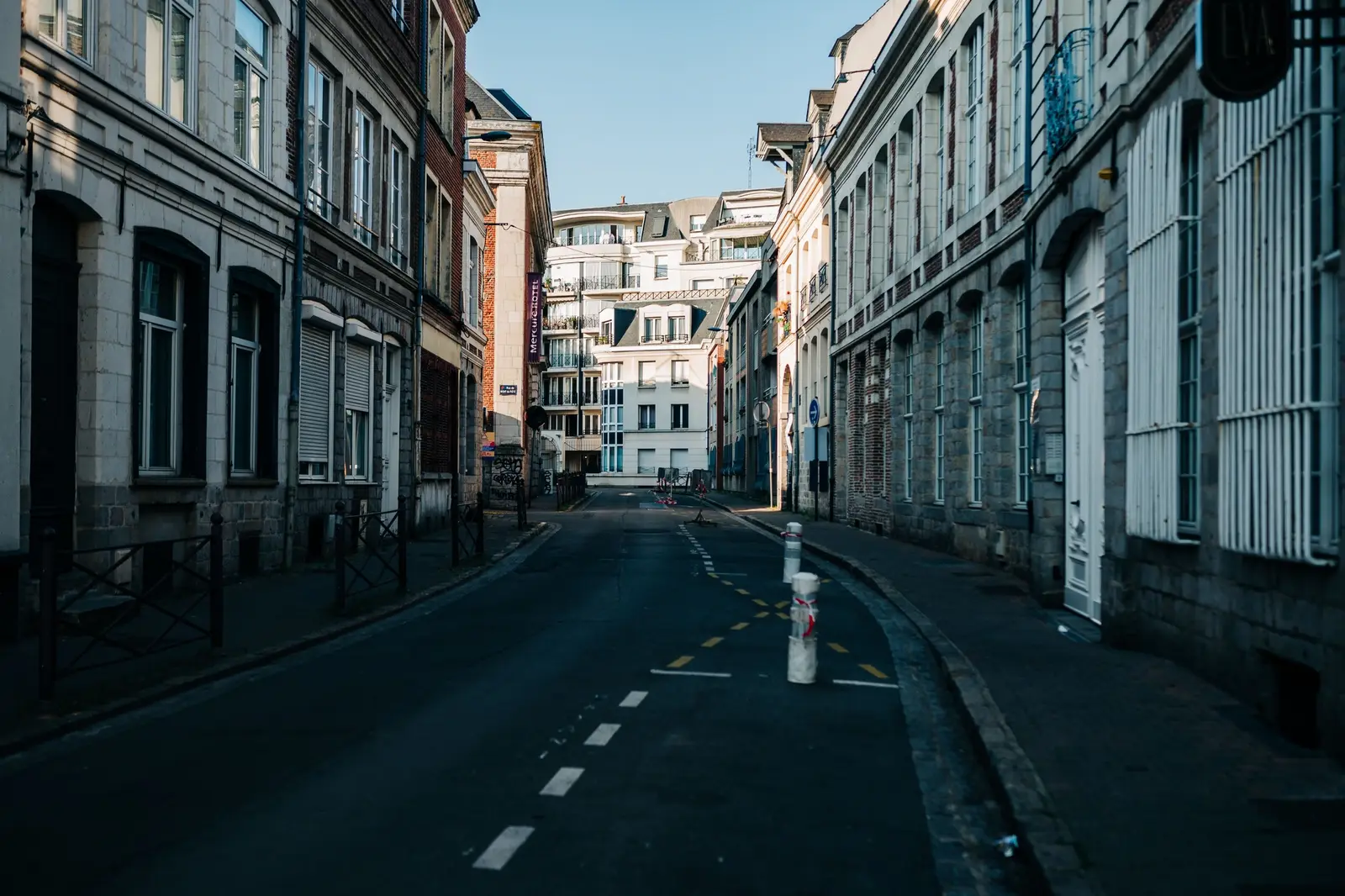
The research comes from Staysure and Avanti Travel Insurance, working from Euromonitor International's Top 100 City Destinations Index of 2025. What it rewards is a centre you can cross on foot, which is why Athens and Barcelona sit on the same list as Venice.
What the researchers counted
They started from the Euromonitor index and dropped cities that are not open to all visitors, plus any entry that covers a region instead of a single city. Each survivor was measured inside a 2 km radius of its official centre point in OpenStreetMap, or of the town hall where no centre point was mapped.
Two distances went into the score: kilometres of motorway and main road, and kilometres of pedestrianised street. Fewer of the first and more of the second scored better, and the pair was averaged. The top ten then got a second pass for what the researchers call peacekeeping rules: legally set quiet hours, night curfews, a cap on flights at the busiest airport, and Sunday trading restrictions.
That is a test of street layout and municipal rulebooks. The published results do not say which of the ten passed the quiet-hours check, so treat that part as a description of method. Nobody walked these streets with a decibel meter.
The 10 quietest cities in Europe for 2027
- Venice, Italy
- Lisbon, Portugal
- Amsterdam, Netherlands
- Barcelona, Spain
- Brussels, Belgium
- Athens, Greece
- Zürich, Switzerland
- Milan, Italy
- Florence, Italy
- Stockholm, Sweden
Athens at six shows what the list measures
Athens has traffic that surprises nobody who has waited to cross Syngrou Avenue. Barcelona was laid out on a grid for cars. Milan sits in the middle of Italy's most built-up plain. What the three share is a compact core you can cross on foot and a metro or tram to cover the rest.
Venice is the extreme case. Avanti found barely 2 km of busy road inside the measured circle, which is what happens when the main street is a canal. Venice in July, in the hours when the day-trippers are thickest, is not quiet in any sense a light sleeper would recognise. A car-free city can still be a loud one.
Read the ranking as a measure of how much of the centre belongs to people on foot. Engine noise is one kind of noise; a square full of tour groups is another, and road kilometres do not count it.
How to use the list when you book
Use it as a first filter for a break where you'll walk everywhere. After that, the city matters more than its rank.
Venice rewards staying on the island. The crowds thin in the evening and build again through the morning, so the hours you get by sleeping there are the ones worth paying for. The vaporetto connects the outlying islands; your feet do the rest.
Lisbon's traffic runs along the big avenues and the riverfront. The quiet sits above them, in Alfama and Graça, where the streets turn into staircases. The famous tram is a commuter service as well as a tourist ride and it fills up; the metro covers similar ground with less standing.
Central Amsterdam's noise is bikes and people, with few engines. The canal ring is calmest on the side streets between the radial routes, and a tram will get you across town faster than walking.
Barcelona's Eixample grid carries most of the vehicles. The superblocks in Gràcia and Sant Antoni are the practical version of what this ranking is scoring, and they are where the city feels most settled.
Florence and Milan both fence off their historic centres with limited traffic zones enforced by cameras, so you cannot drive into the middle of either even if you want to. Park outside and take the tram or bus in.
Brussels handed a long stretch of its centre to pedestrians around the Grand Place and the Bourse, which makes it the most literal entry on the list. Zürich is small enough to walk and its trams fill the gaps. Stockholm spreads over islands, so the water does much of the quieting, and the metro is how you get between them.
The month matters more than the rank
October in Lisbon and Lisbon in August are different cities, and the scoring makes no allowance for the calendar. May, June, September and October put fewer people on the same streets and less heat on the pavement. Peak summer in Venice, Barcelona and Florence is when a pedestrian street stops feeling like an argument for pedestrian streets.
Which one I'd pick, and who should skip the list
For a city with genuinely no cars, Venice wins and it isn't close. Go in October, sleep on the island for two nights at least, and budget for it.
If you want the quiet to last past dinner, Zürich and Stockholm are the better bets. Zürich is compact and easy on foot; Stockholm has more to fill a week. For a cheaper off-season break, Athens at six is the value pick, and the traffic on Syngrou is what you trade for it.
Skip the list if you want late bars and long dinners. Quiet hours and nightlife pull against each other, and this ranking rewards the first of them.
Outside Europe, the same piece named quiet alternatives without scoring them: Hoi An in Vietnam, Lamu Island in Kenya, New Mexico in the United States, Paraty in Brazil and Nelson in New Zealand, picked by travel expert Sarah Rodrigues.
FAQ
- What are the quietest cities in Europe for 2027?
- Venice, Lisbon and Amsterdam, in that order, followed by Barcelona, Brussels, Athens, Zürich, Milan, Florence and Stockholm. All ten are in Europe, and they make up the entire global top ten. The score compares kilometres of main road with kilometres of pedestrianised street inside a 2 km radius of each city centre.
- Are these cities actually quiet?
- Not all of them. Athens and Barcelona are busy, loud cities with walkable cores. The ranking measures how much of the centre is given to pedestrians, so it rewards cities where you can do the day on foot. If you want silence after dark, check the neighbourhood and the month.
- What is the quietest city in Europe?
- Venice tops the 2027 ranking. Avanti found barely 2 km of busy road inside the measured area, which is unsurprising in a city whose main route is a canal. It is still crowded in July, so quiet in the ranking and quiet on the ground are two different things.
- Does the ranking measure noise levels?
- No. It counts motorways, main roads and pedestrianised streets, then checks for quiet-hours rules, night curfews, flight caps and Sunday trading restrictions. The published results do not report which cities have those rules in place.
- When should I go to avoid the crowds?
- May, June, September and October. The streets are the same and the numbers are lower, and you dodge the July and August heat that makes walking unpleasant in Lisbon, Florence and Athens. Venice in October is a different city from Venice in August.
- Can I drive into these cities?
- Not into the centre of several of them. Florence and Milan enforce limited traffic zones with cameras, Barcelona restricts vehicles without an emissions label, and historic Venice has no roads at all. Park outside and use trams, buses or the metro.
Sources
More destinations

Black Friday travel deals 2026: up to 50% off Europe hotels
Expedia lists up to 50% off hotels and Booking.com up to 40% off stays, with its sale running to 2 December 2026. What those percentages really mean for a European trip.

Priceline promo codes: the best Cyber Week 2026 discounts
The best Priceline promo codes for Cyber Week 2026 mostly need no code at all: a free VIP account takes up to 40% off hotels. The $500 Express Deals coupon is a first-50 race.

Flying Blue is Europe's best airline rewards programme for 2026
point.me's 2026 ranking puts Air France-KLM's Flying Blue first in Europe and worldwide, with British Airways Club eighth. Here's what the scoring rewards, and where it misleads European flyers.