 Euro Roamer
Aluminum vs polycarbonate luggage: what the extra money buys
Three aluminum cases come out of real trips as the ones to look at, plus what the metal buys you, where it costs you, and who should buy polycarbonate instead.
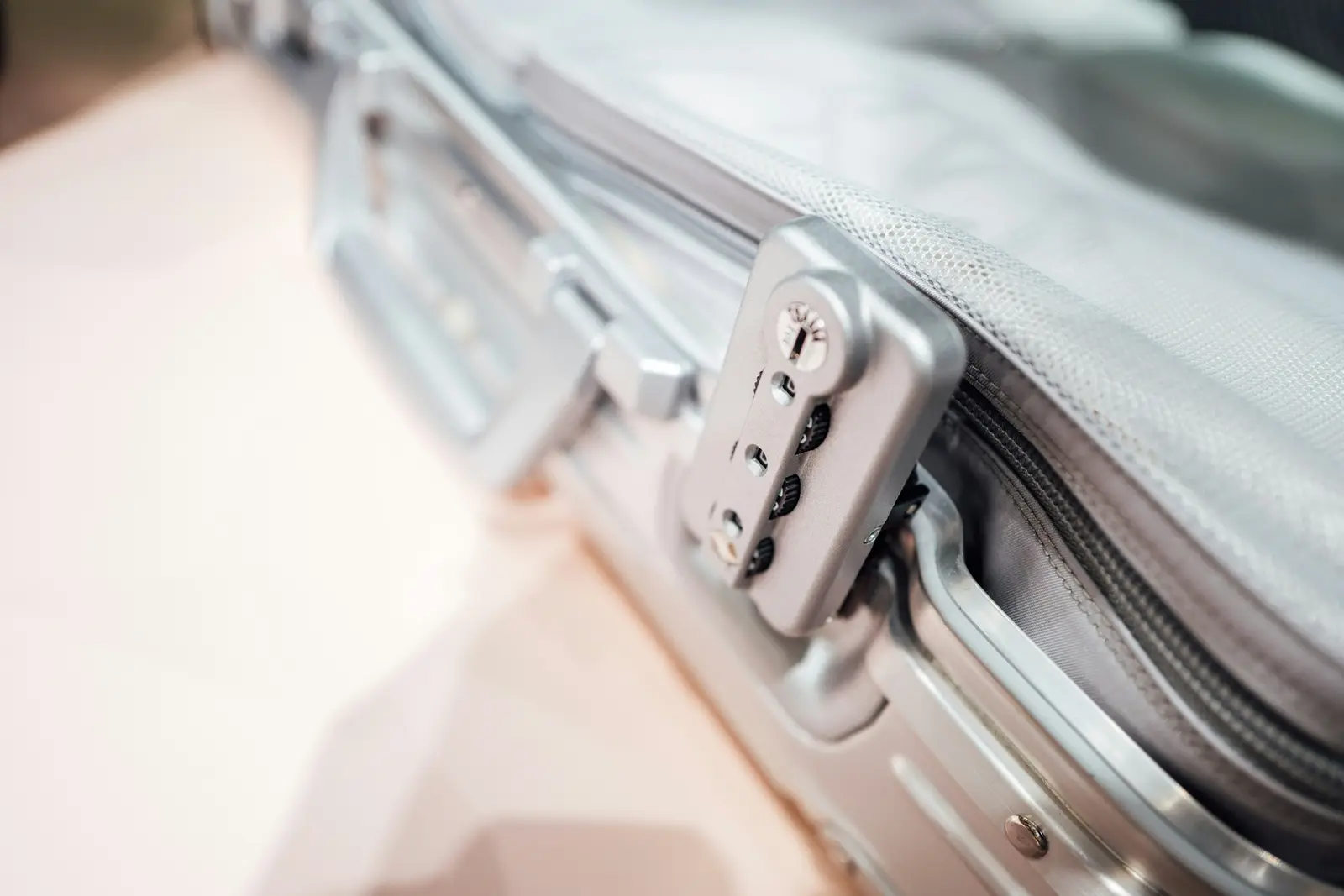
Our short list for the best aluminum luggage for travel is Carl Friedrik's Aluminium Carry-On, Tumi's 19 Degree Aluminum carry-on and Rimowa's Original Trunk XL. We carried those three on long weekends in Milan and Mallorca and on international trips of three weeks, comparing wheel smoothness, internal compression, empty weight against usable capacity, and how the shells held up.
Two are cabin bags and the third is a trunk, so the choice comes down to how you fly. Aluminum costs a lot more than a mid-range polycarbonate case, weighs more empty, and dents. It also protects what's inside better than anything else in the hard-shell market.
What an aluminum shell does that plastic doesn't
An aluminum case is a rigid box with steel corners and a frame, and that construction is why it takes a knock better than polycarbonate. The testers credited the material and the way the corners and frame are built for absorbing drops and scrapes rather than passing them through to your clothes. The case closes with two latches instead of a zip, so there's no seam to split open with a pen or to gape when the bag is packed tight.
Where the metal loses is flexibility. A soft bag stretches around a last pair of shoes, and a zippered hard shell expands a couple of centimetres. An aluminum case has no give, so you pack to the shell and stop, and anything extra goes in a tote.
The three cases on the shortlist
That round of trips covered a Friday-to-Sunday flight and a three-week run, which matters: a case can be fine for one and irritating by day twelve.
Carl Friedrik's Aluminium Carry-On is the one to look at first if you have never owned a metal case. It has leather trim, which the brand has built a following on, and it's cabin size, so it flies with you and never meets a baggage belt. For a first aluminum bag that is the useful combination: you get the protection without gambling a checked bag on your first trip with it.
Tumi's 19 Degree Aluminum carry-on is the sleeker of the two cabin bags, with angled lines and a business-trip look. If your trips are two or three nights with a laptop, a dopp kit and two shirts, this is the shape that does the job, and it will look at home in a lounge in a way a soft duffel won't.
Rimowa's Original Trunk XL is the outlier. A trunk is deep rather than wide, it holds more per centimetre of floor space than a flat case, and it's the long-trip option here. On European short-haul it's going in the hold, so add the bag fee to the price and expect the ground crew to treat it like any other bag. It's also awkward on a train, where the depth doesn't fit under a seat or on a rack built for slim cases.
Where the money goes
These three sit at the top of the market, and their prices move with country, tax and sale, so the useful thing to know is what the money buys. It buys the shell, the steel corners and frame, the latches and the wheels. It does not buy capacity or lightness: at the same cabin size, an aluminum case usually weighs more empty than a polycarbonate one, and several European carriers put cabin bags on the scale at the gate.
Whether that trade is worth it depends on how often you fly. If you take a cabin bag on twenty trips a year, the extra cost spreads thin and the shell earns it back in protection. If you take two or three trips a year, the same money buys a return flight in shoulder season plus a perfectly good polycarbonate case, and I'd take the flights.
Dents are part of the deal
Aluminum dents. It doesn't shatter, and a dented corner usually still closes, but the metal keeps the shape of whatever it hit, and the surface is smooth enough that every scratch shows. Look at photographs of used aluminum cases for sale and you'll see the same pattern of small craters along the corners and edges.
If a case that still looks new after thirty flights matters to you, buy textured polycarbonate. If you'd rather have a case that keeps your bottles intact when the belt drops it, buy aluminum and stop worrying about the dents. The first scratch is the worst one.
Who should skip aluminum
Some travellers should buy something else, and they should decide that before they fall for a shiny shell in a terminal.
- Anyone flying a carrier that weighs and measures cabin bags at the gate. An aluminum cabin bag is the heavier option, and a strict limit turns it into a paid checked bag at the worst moment.
- Overpackers. There's no stretch and no expansion, so the case that only just closes at home is the case that won't close at the airport.
- Anyone who would be upset by scratches. Aluminum shows every one.
- Budget travellers on two or three trips a year. The money buys more trip.
What to check before you order
- Your airline's cabin size and weight limit, measured with wheels and handle included, because those are the numbers gate staff use.
- Whether the latches have an integrated TSA lock or need a key you keep separately.
- The empty weight on the spec sheet, next to a polycarbonate case you were considering.
- Whether the brand has a repair option in your country. Latches, wheels and handles are the parts that fail, and the shell will outlive them.
- Whether you need a trunk at all. For cabin-only short-haul travel in Europe, the Trunk XL is the wrong shape.
FAQ
- Is aluminum luggage better than polycarbonate?
- For impact protection, yes. The rigid shell, steel corners and frame absorb a drop that would crack or scuff polycarbonate. Polycarbonate is lighter and much cheaper, and it flexes instead of denting, which many travellers prefer for checked bags.
- Does aluminum luggage dent easily?
- It dents and it scratches, and both show. A dented corner rarely stops the case closing, and the damage is cosmetic. Anyone who wants a case that looks new after a year should buy textured plastic instead.
- Is aluminum luggage heavier than other suitcases?
- Usually, at the same cabin size. Check the empty weight on the spec sheet before you buy if you fly carriers that weigh cabin bags at the gate, because an overweight bag gets charged or checked.
- Can you check an aluminum suitcase?
- Yes. Rimowa's Original Trunk XL is built for long trips and will travel in the hold on European short-haul, so add the bag fee. Expect scratches and dents to appear, and pack bottles in something padded.
- Are the latches on aluminum cases secure?
- They're harder to open with a pen than a zip, which is the usual way a soft case gets opened. Check whether the model has an integrated TSA lock, since a latch without one needs a key or combination you carry.
- Is aluminum luggage worth the price?
- For frequent flyers with a cabin bag, the protection and the latches earn the cost over years. For two or three trips a year, a polycarbonate case plus a shoulder-season flight is the better use of the same money.
Pros
- Better impact protection than polycarbonate or soft-shell cases
- Latches instead of zippers, so no seam to split
- Steel corners and frame absorb knocks
- Three different shapes cover a weekend, a business trip and a long haul
Cons
- Heavier empty than polycarbonate at the same size
- No stretch and no expansion
- Dents and scratches show and stay
- Price sits well above mid-range plastic cases
Sources
More destinations

A €20.30 archive box beats a €199.15 advent calendar for most
The travel gifts worth buying in 2026, from a €6.21 ski advent calendar to a €199.15 Marriott one, with prices in euros, a verdict on each and who should skip.

Best tote bags for travel: Cuyana, Monos and the gate-check risk
Five totes the Condé Nast Traveler editors picked for travel, matched to the trip each one suits, plus the under-seat test that decides whether yours flies for free.

3 days in Naples: a 30-year visitor's plan for the city
A three-day Naples plan built around the historic centre, the Greek aqueducts under San Gaetano and one day out of the city, with what to book before you go and when to travel.