 Euro Roamer
3 days in Naples: a 30-year visitor's plan for the city
A three-day Naples plan built around the historic centre, the Greek aqueducts under San Gaetano and one day out of the city, with what to book before you go and when to travel.
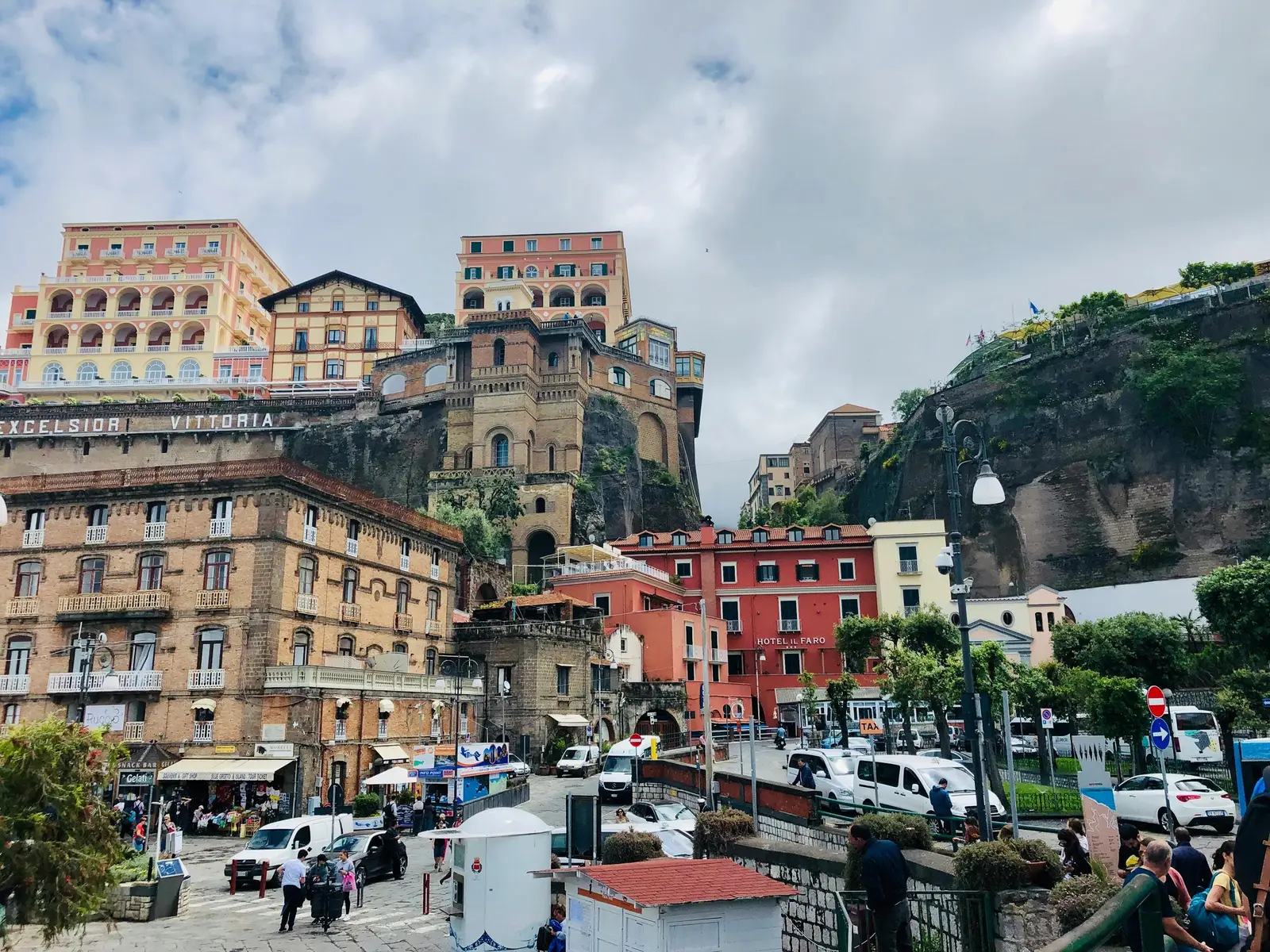
Three days in Naples buys you the Centro Storico, one serious museum and a single day out. Nothing else fits without spending the trip on the metro. The shape that works is two days on foot in the historic centre and one on a train or a ferry, with the heavy sights in the morning and the eating in the evening.
Set expectations from someone who knows the place. A Condé Nast Traveler guide to the city, written by a visitor of more than 30 years, opens by saying you could spend two weeks in Naples and not see everything. Three days is a taste. It feels generous only if you pick fewer things and walk between them instead of criss-crossing the city twice a day.
Day 1: espresso at the bar, then the historic centre
Start at Gran Caffè Gambrinus on Piazza Trieste e Trento, where the local move is an espresso and a warm cornetto standing shoulder to shoulder at the bar. The terrace tables are for tourists, and you pay for the seat. Across the square is the Palazzo Reale, dark grey and red outside, with the Royal Apartments and the small Teatrino inside. On the other side stands the Teatro San Carlo, one of Italy's most prestigious opera houses. Opera buffs can book a behind-the-scenes tour, or, better, check the season and buy a ticket for that evening.
Walk up Via Toledo and take the metro for one stop, mostly to see what the city did with the stations. The system was designed by artists and architects, which makes sense given how bad the traffic above ground is. The Toledo station is the one everyone photographs. Use it rather than a taxi for the rest of your stay.
After lunch, head into the Centro Storico. Spaccanapoli runs straight through it, and Piazza San Gaetano is the square beside the church of San Lorenzo Maggiore, where you go under the city with Napoli Sotterranea. The association runs guided tours through the Greek aqueduct system: Naples was a Greek city from 470 BC, then a Roman colony, and later builders simply piled new streets on top of the old ones. For centuries the aqueducts doubled as a rubbish dump, and the cholera epidemic of the mid-1880s forced the city to deal with them. Walking through them now is the clearest single explanation of how the city is built.
Eat pizza for dinner. The restaurant side of Naples has widened considerably in recent years, according to the Traveler writer, but the right first-night move is a margherita within walking distance of your bed, eaten early enough to walk it off afterwards.
Day 2: the archaeology museum, a chapel and the bay
Give the morning to the Museo Archeologico Nazionale, where the finds from Pompeii and Herculaneum ended up alongside the Farnese collection. It is also why you keep Pompeii for day three: see the objects first and the ruins afterwards, and the empty rooms and empty streets make sense.
Book a timed slot at the Cappella Sansevero for the Veiled Christ; the rooms are small and slots go early. Then walk down to Piazza del Plebiscito for the size of the square, and follow the seafront along Via Caracciolo past Castel dell'Ovo. This is the stretch for a spritz, sitting down, looking at the water and the boats rather than at your phone.
For the evening, check what is on at San Carlo before you fix your dates. A performance in the house is a different evening from another restaurant queue, and the programme is the one thing worth planning your trip around rather than squeezing in.
Day 3: Pompeii, Vesuvius or a ferry
Two realistic options. Take the Circumvesuviana suburban train from Piazza Garibaldi to Pompeii Scavi and spend the morning in the ruins. Add Vesuvius only if you have booked the bus up and back from Ercolano, because turning up and hoping is how an afternoon disappears into a car park.
Alternatively, walk to Molo Beverello beside Castel Nuovo and take a ferry to Procida or Capri. In July and August the morning crossings sell out days ahead, so book before you leave home. Procida is the smaller and quieter of the two; Capri is the one with the queue at the port. Either way, come back for the last evening. The centro storico is at its best around 8pm, when the streets fill and the pasticcerie stay open.
What to book before you go
- Napoli Sotterranea: the aqueduct visits run as guided tours only, so fix a slot for day one and build the rest of the day around it.
- Museo Archeologico Nazionale: buy the ticket online and skip the queue at the door.
- Cappella Sansevero: timed entry, and the popular slots go first.
- Teatro San Carlo: a tour or a performance ticket, whichever you would rather do.
- Ferries from Molo Beverello if you are travelling in summer. The Circumvesuviana needs no booking.
When to go and where to stay
May, June, September and October beat July and August on heat, crowds and room rates. This is a walking city with heavy traffic, so the metro does the work: staying within a few minutes of Toledo or Dante stations in the centro storico puts the sights, dinner and the station within reach on foot. Chiaia, near the seafront, is quieter at night and closer to the ferries. If you are planning around 2027, book early. Rocco Forte is due to open a hotel in the city that year and the America's Cup is coming, both reported in the Traveler piece.
On safety, the useful judgement comes from that 30-year visitor: Naples today is safer, cleaner and more tourist-friendly than it used to be, while keeping the noise, the graffiti and the traffic that make it itself. The ordinary city rules apply around the station and in the packed alleys off Via dei Tribunali.
Frequently asked questions
- Is 3 days enough for Naples?
- Yes for the historic centre plus one day out. It is not enough for Pompeii, Herculaneum, the archaeology museum and an island as well. Pick two of those four and you will leave satisfied rather than rushed.
- Can you do Pompeii as a day trip from Naples?
- Yes. The Circumvesuviana train from Piazza Garibaldi stops at Pompeii Scavi, at the entrance to the ruins. Go early and leave Vesuvius for a separate trip unless you have booked the bus from Ercolano.
- Do I need to book the Naples underground tour?
- The Napoli Sotterranea visits run as guided tours only, so arrange a slot for day one. In high season, arriving without one can cost you an afternoon of waiting.
- Is Naples safe for tourists?
- A writer who has visited for three decades describes today's city as safer, cleaner and more tourist-friendly than in the past. Pickpocketing in crowded streets and around the station is the usual risk, so keep bags zipped and pockets closed.
- Where should I stay in Naples for 3 nights?
- The centro storico near a metro stop is the practical choice: dinner on foot, and quick access to the station and the port. Chiaia suits people who want quieter evenings by the water.
Sources
More destinations
Seven of the world's 13 best restaurants are in Europe
Seven of the 13 restaurants on LaListe's top score for 2027 are in Europe, from a Reims suburb to Stockholm, with 18 more at 99 and 12 on the Riviera.
Best Greek islands: two per week, from €90 to €345 a day
Santorini and Naxos make the best first week, at €345 and €90 a day respectively. Here is how the islands compare on cost, ferry time and the months that work.

Black Friday travel deals 2026: up to 50% off Europe hotels
Expedia lists up to 50% off hotels and Booking.com up to 40% off stays, with its sale running to 2 December 2026. What those percentages really mean for a European trip.