 Euro Roamer
Kulla guesthouses in Albania: 100 miles, 9 days, one guide
Albania's kulla stays are booked through the Tower Trail, a nine-day guided walk of over 100 miles. What it costs, how hard the walking is, and what to ask first.
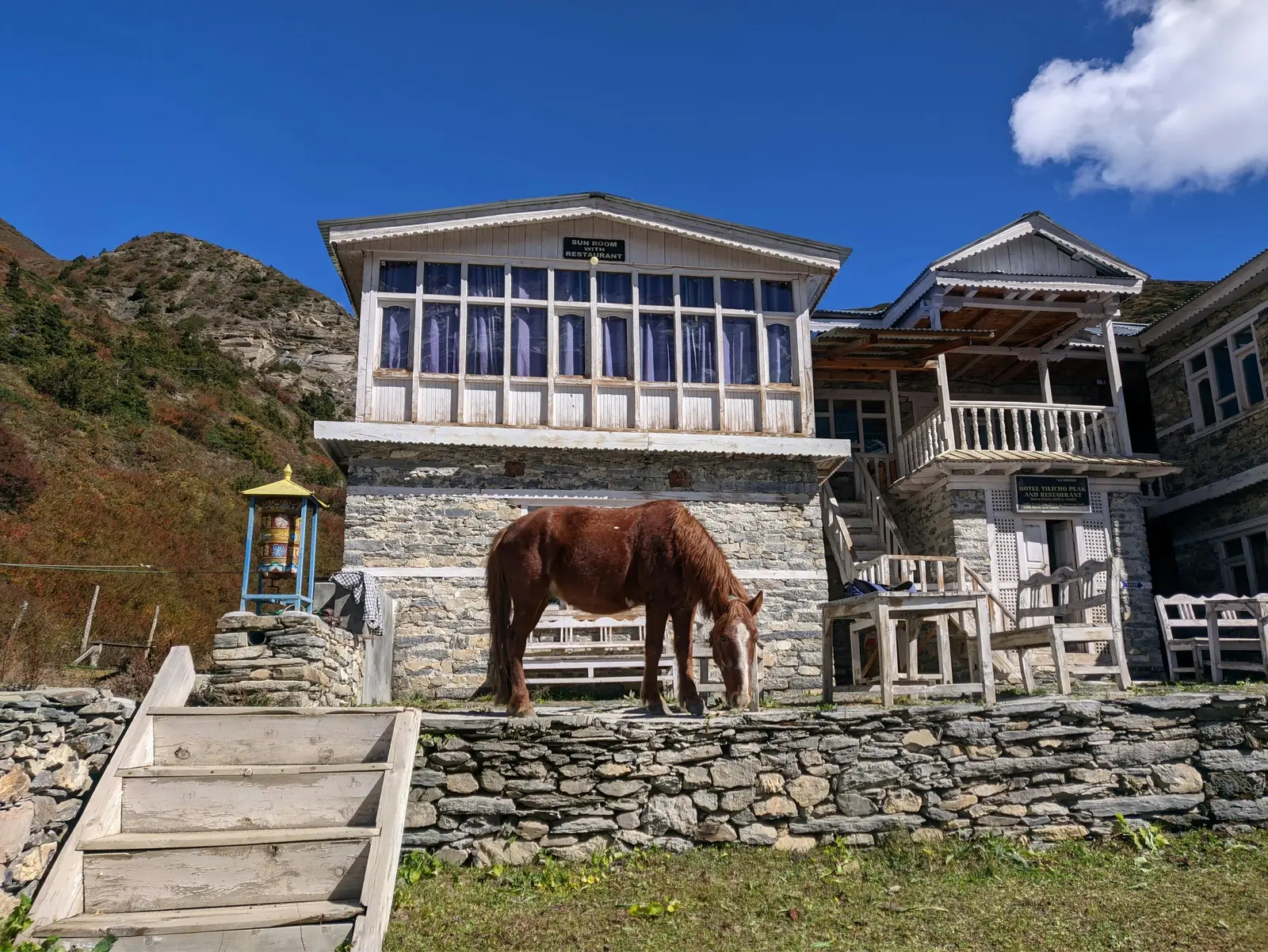
The best kulla guesthouses in Albania sit on the Tower Trail, a nine-day guided walk through the north-east of the country. The route was built by the Albanian Agritourism Association, and its overnight stops mix guesthouses, working farms and the stone tower houses themselves. Nobody publishes a list of named kullas with nightly rates, so the useful answer to "which one" is whichever house the association puts you in on a given stage.
What you can plan around is the walking. The Tower Trail runs more than 100 miles, a bit over 160km, through villages, high plains, forests and river valleys, and it is designed to be walked with a guide. Some stages are long, and the association's answer is to break one across two days or shorten it with a car transfer. Take that option if you have a flight or a ferry to catch at the far end.
What a kulla is
A kulla is a stone tower house built from limestone and timber cut from the mountains around it. They stand across northern Albania, Montenegro and North Macedonia, and the oldest were built to hold a family through harsh weather and worse history, including the 15th-century Ottoman invasion. Traders on the mountain routes sheltered in them too. Most fell into disrepair during the 20th century, which is why the restored houses on this route are worth the walking.
The floor plan follows a regular pattern, and each house carries the stamp of the family that paid for it. Practically, that means small windows, thick walls and wooden floors. The Guardian's writer, waking in one, heard sheep bells and floorboards creaking as the sun warmed them, and smelled bread baking mixed with smoke from the previous night's fire. Stone rooms hold the cold, so pack a warm layer for the evenings.
Where the kulla nights are
The Albanian Agritourism Association developed the trail to bring walkers into parts of the country that tourism has mostly skipped, and the kulla is the thread running through it. You sleep in a tower, walk to the next village, sleep somewhere else, and keep going. Not every night is a tower: the beds are split between guesthouses, farms and kullas. Cycling and 4x4 versions are planned; the walking route is the one that exists now.
The four regions you cross
It crosses Mirdita, Mat, Bulqiza and Dibra, all in the north-east, and the walking between them matters as much as the beds. Expect high plains, forest, river valleys, and villages where the guesthouse and the farm are the same business.
This is a different trip from the Albanian coast. Nine days with a guide is a commitment of time and legs, and the reward is the ordinariness of the places you stop in: a village square, a bread oven, a flock moving up the valley.
What a kulla stay costs
There is no published price list for Tower Trail nights, and that is the awkward part of planning. Ask the association for a full quote and ask them to itemise it: accommodation night by night, the guide's fee for nine days, meals, and any car transfer. Ask whether the quote is per person, what the single supplement is, and whether one guide stays with you for the whole route or hands over between regions.
Group departures normally cost less per person than a private guide, so if your dates are loose, ask when the next fixed departure runs. Treat any figure you find on a third-party booking site as a starting point and confirm it with the association before you pay a deposit.
How hard the walking is
More than 100 miles over nine days averages a bit over 11 miles a day, and mountain stages are not flat. The split stages and the car transfer are the pressure valve. Use them for a day or two and the route stays enjoyable; treat the full nine days as a test and you may spend the last three thinking about your feet.
If you do not walk regularly, start training months out and tell the association your honest pace when you book. A guide who knows the group is slow can plan the transfers in advance.
When to go
The association sets the departure dates, so start with its calendar. If you get a choice, June and September are the months I would ask about first: long daylight, cooler walking, and fewer people on the route than in July and August. Stone walls keep the night cold at any time of year.
What to ask before you book
- Which nights are in a kulla, and which are in a guesthouse or on a farm?
- Is one guide with the group for all nine days?
- Are meals included, and who cooks them?
- What happens on a stage that is too long for someone in the group?
- Can the route be trimmed to five or six days?
- What is the cancellation policy, and when is the deposit due?
Get the answers in writing before you pay anything.
Frequently asked questions
- Can you stay in a kulla in Albania without a guide?
- Ask the association directly. The Tower Trail is designed as a guided nine-day walk, and the kulla nights come as part of that package. Independent overnight stays are not advertised, so if you want two nights in a tower without the full route, email the Albanian Agritourism Association and see what it can arrange.
- How long is the Tower Trail?
- Nine guided days and more than 100 miles, roughly 160km, through Mirdita, Mat, Bulqiza and Dibra. Some stages are long enough to split across two days, and a car transfer shortens others. Plan for the full nine days unless you agree a shorter version with the association.
- How much does a night in a kulla cost?
- No rate is published. Ask for a per-person quote that separates accommodation, the guide fee, meals and transfers, then check the single supplement. Group departures usually work out cheaper per person than a private guide.
- Which parts of Albania have kulla tower houses?
- Kullas are found across northern Albania, and the same building type appears in Montenegro and North Macedonia. The Tower Trail concentrates on four north-eastern regions: Mirdita, Mat, Bulqiza and Dibra.
- Is the Tower Trail suitable for inexperienced walkers?
- Yes, if you train first and use the shortcuts. The daily distances are real, over 11 miles on average, and the split stages and car transfers exist for exactly this reason. Tell the association your pace before it plans the route.
- What should you pack for a kulla stay?
- A warm layer for the evening, since stone walls hold the cold, and boots you have already walked 15 miles in. Villages are small, so you will not need much else beyond what you carry between stops.
Sources
More destinations
Belgrade in four neighbourhoods: one river, two days, no car
Belgrade's best things to do sit in four walkable neighbourhoods: Dorćol, Kosančićev Venac, Savamala and Vračar. Here's what to do in each, and what to check before you book.
3 days in Naples: a 30-year visitor's plan for the city
A three-day Naples plan built around the historic centre, the Greek aqueducts under San Gaetano and one day out of the city, with what to book before you go and when to travel.
Best Greek islands: two per week, from €90 to €345 a day
Santorini and Naxos make the best first week, at €345 and €90 a day respectively. Here is how the islands compare on cost, ferry time and the months that work.