 Euro Roamer
Belgrade in four neighbourhoods: one river, two days, no car
Belgrade's best things to do sit in four walkable neighbourhoods: Dorćol, Kosančićev Venac, Savamala and Vračar. Here's what to do in each, and what to check before you book.
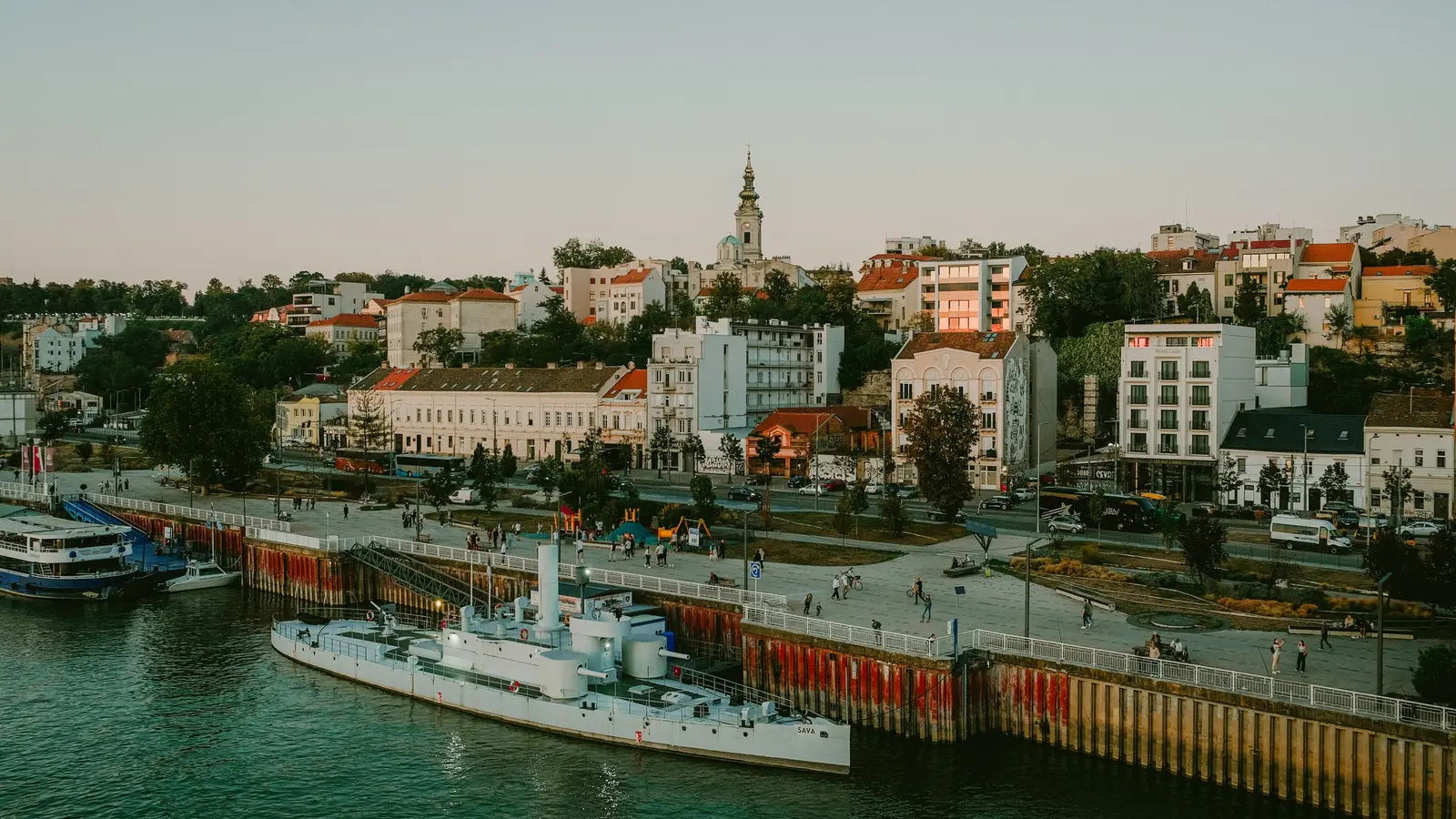
The best things to do in Belgrade are packed into four inner-city neighbourhoods you can walk between: Dorćol, Kosančićev Venac, Savamala and Vračar. Belgrade is one of Europe's oldest cities, built where the Sava meets the Danube, and those four areas cover most of what a short visit is for: coffee, galleries, river restaurants and bars that run late. A local's guide published by the Guardian in November 2026, written by the founder of Still in Belgrade, names the same four.
The city is mid-shift politically, and you will notice it. In November 2024 a concrete canopy at Novi Sad's renovated railway station collapsed and killed 16 people. What began as a demand for accountability and an end to corruption turned into a student-led movement, then a nationwide challenge to the government. By the time the guide appeared, the student-backed list had won an outright majority in parliamentary elections, crowds had gathered in Slavija Square, and the celebrating had spilled into the streets and bars. A new government still has to be formed.
For a visitor, that reads as atmosphere. Belgrade has a large student population and a creative scene that keeps the cafes full; terraces fill during the day and DJ bars and clubs keep the city moving long after dark. Expect a place that argues loudly in public and stays up late.
Start with Dorćol
Dorćol is the guide's first pick and the area I would build a morning around. Historic buildings and former workshops now hold independent galleries, specialty coffee shops, bars and contemporary restaurants. Graffiti and murals cover the walls, and the guide's claim is that there is always an exhibition, a gig or something else happening. Two hours is a minimum; the side streets are why you are there, so leave the map in your pocket.
Come back to Dorćol after dark as well. The bars and contemporary restaurants there fill with the student and creative crowd that keeps the neighbourhood busy, and the graffiti that looked like decoration at noon turns out to be signposting.
Cobbles and coffee at Kosančićev Venac
Kosančićev Venac is the cobbled edge of the old town, and the guide's coffee stop here is Skica. It pairs with Dorćol on foot in the same morning: coffee first, galleries second, or the reverse if the terrace is full. Neoclassical and art nouveau facades are thickest in this part of the city, so walk it slowly and look up rather than at your phone.
Savamala and Beton Hala for the evening
Savamala sits on the bank of the Sava, and its waterfront restaurants at Beton Hala are where the guide sends you to eat. Come in the evening, when the river earns the walk. The district is where Belgrade's old industrial space meets the new waterfront building, which makes it the most visibly changing of the four.
Vračar, the fourth name on the list
Vračar is the fourth neighbourhood named in the guide, another historic inner-city area. Treat it as the change of pace at the end of a day: fewer stops planned, more time sitting. With two days in the city, the first three areas will fill them. Vračar is the one I would save for a return visit or a slow afternoon.
The walking is the sightseeing
Belgrade's geography does most of the work. The Sava and Danube meet at the old town, so the centre bends around water and the neighbourhoods stack up behind it. Walk down from Kosančićev Venac toward the Sava and you arrive in Savamala; walk inland instead and you are in Dorćol. Three of the four link without a tram or a taxi, and none of them needs a car.
The architecture carries the day. Neoclassical and art nouveau buildings line the old town, modernist architecture and former industrial space sit beside them, and the murals on Dorćol's walls mark where the galleries and bars are. Budget time for standing around on street corners.
The guide names four areas and a handful of reasons to be in each, and leaves the specific venues to change as the city does. That is the right level of detail for Belgrade, where places open and close faster than any published list. Ask in the coffee shops what is on that week.
Plan the day in two shifts
Belgrade runs on two clocks. Terraces and coffee shops belong to daylight; bars, DJ bars and clubs take over after dark, and the guide's phrasing is that the city keeps moving late into the night. Build your day around that split. Coffee and one neighbourhood in the morning, a second in the afternoon, dinner by the river or in Dorćol, then whatever the evening turns into.
Two full days covers all four areas at an unhurried walk. A third lets you go back to whichever one you liked, which is usually the one with the terrace you walked past twice.
What to check before you book
The guide lists no prices and I am not going to invent any; menus and entry charges change, and the venues will give you a current figure. The thing that genuinely needs checking is the political situation. With a new government still being formed after the election, conditions on the ground can shift, so read your own government's travel advice for your dates before you book transport or accommodation, and confirm anything you have to reserve ahead on the official site rather than a blog.
FAQ
- What are the best things to do in Belgrade?
- Walk Dorćol for galleries, coffee and bars; take coffee on the cobbles at Kosančićev Venac; eat on the Sava at Beton Hala in Savamala; and give Vračar a slower half-day. The old town's architecture and the late bars fill the gaps.
- How many days do you need in Belgrade?
- Two full days covers the four neighbourhoods on foot at an easy pace. Add a third if you want to return to the area you liked most and spend an evening by the river without watching the clock.
- Can you walk between the neighbourhoods?
- Yes. Kosančićev Venac, Dorćol and Savamala sit in and around the old town, with Savamala on the Sava bank below it, close enough to link in one day on foot. Vračar is a longer walk inland; take it at the start or end of a day.
- Is Belgrade a good place to visit right now?
- The city has just come through an election, and the mood described in the local guide is celebratory. A new government is still being formed, so check your government's travel advice for your dates before you book anything.
- What is Beton Hala?
- A waterfront restaurant strip in Savamala on the bank of the Sava, named in the local guide as the place to eat by the river. Go in the evening, when the walk down from the old town is part of the outing.
Sources
More destinations
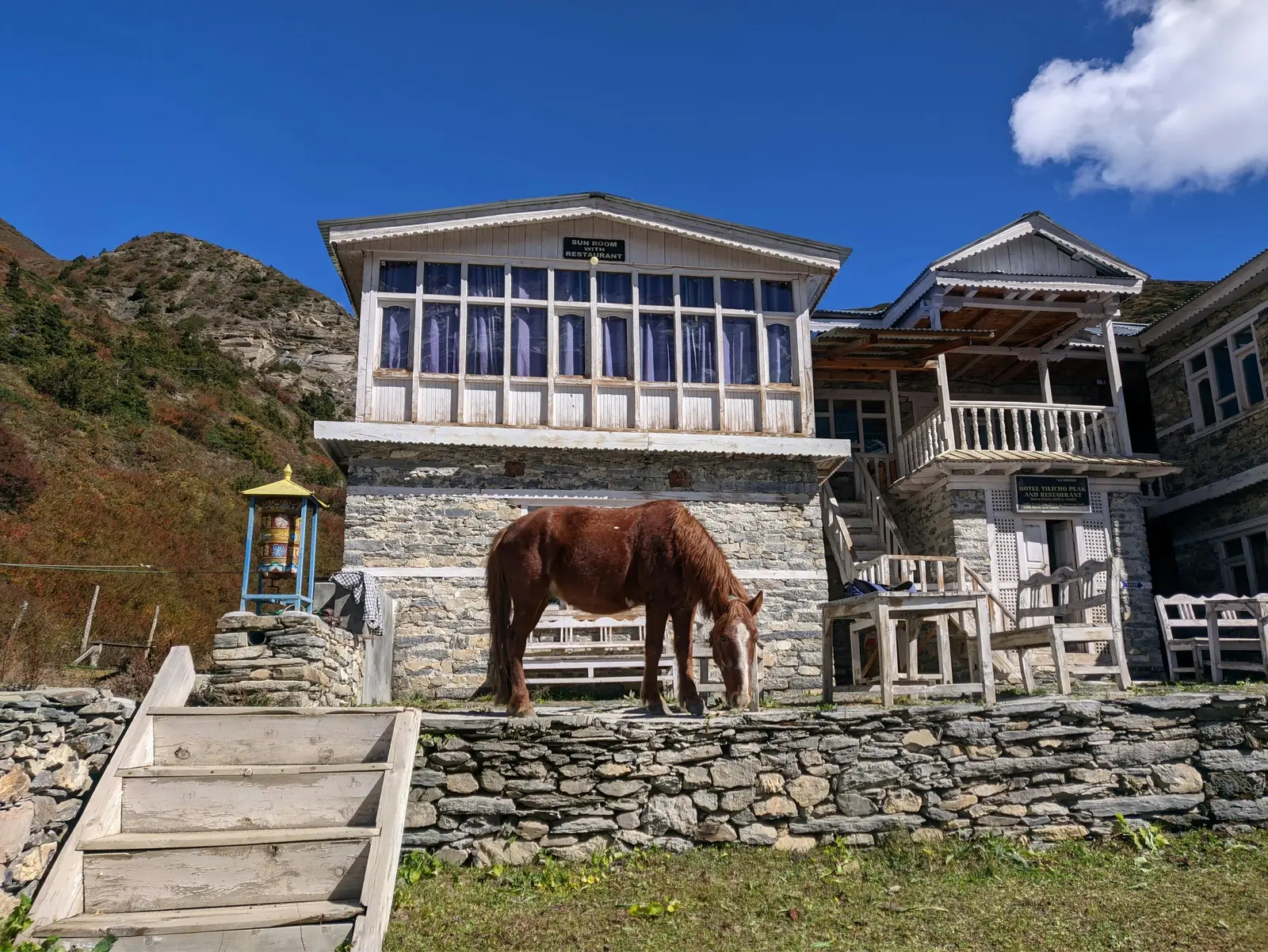
Kulla guesthouses in Albania: 100 miles, 9 days, one guide
Albania's kulla stays are booked through the Tower Trail, a nine-day guided walk of over 100 miles. What it costs, how hard the walking is, and what to ask first.
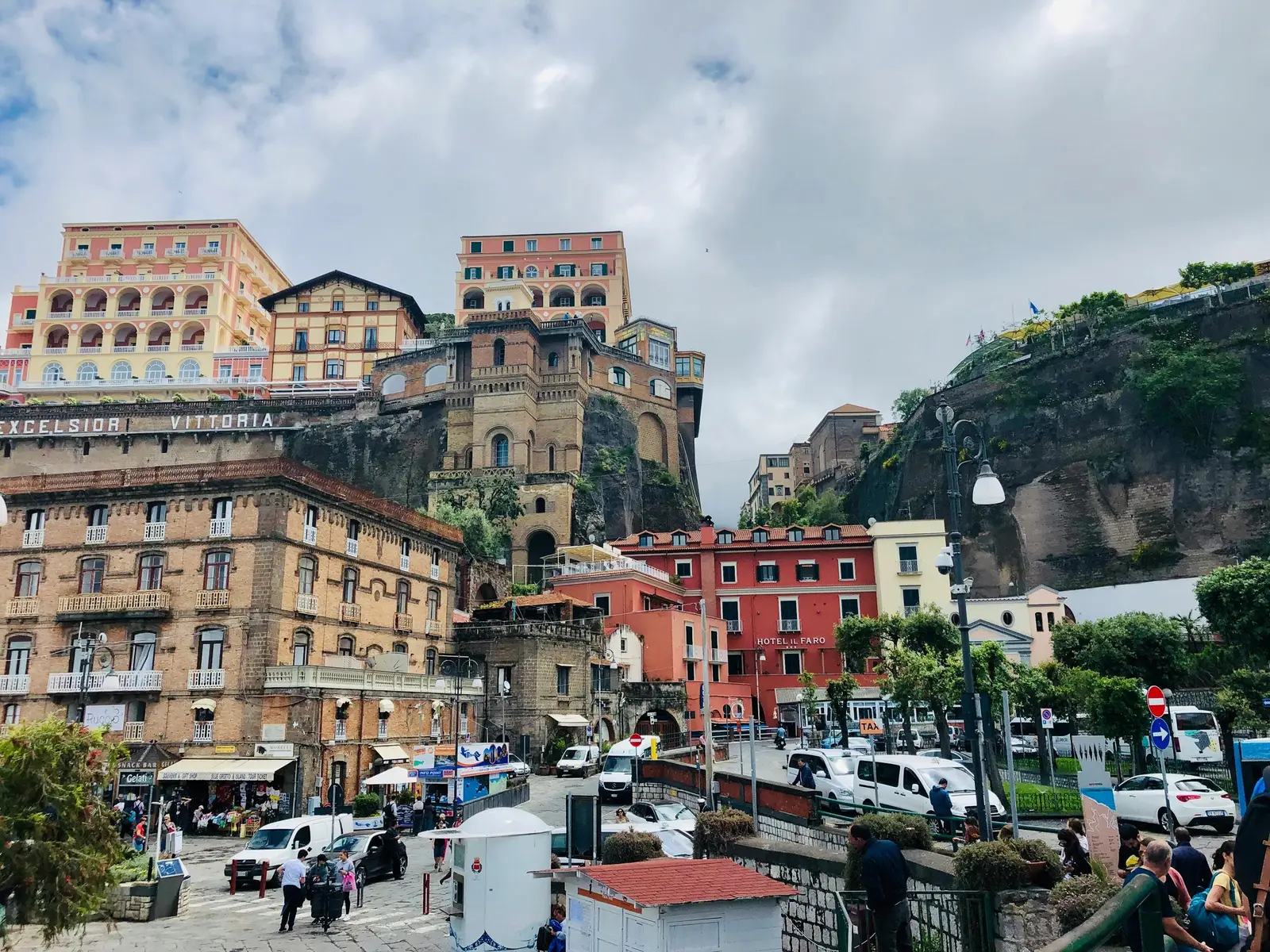
3 days in Naples: a 30-year visitor's plan for the city
A three-day Naples plan built around the historic centre, the Greek aqueducts under San Gaetano and one day out of the city, with what to book before you go and when to travel.
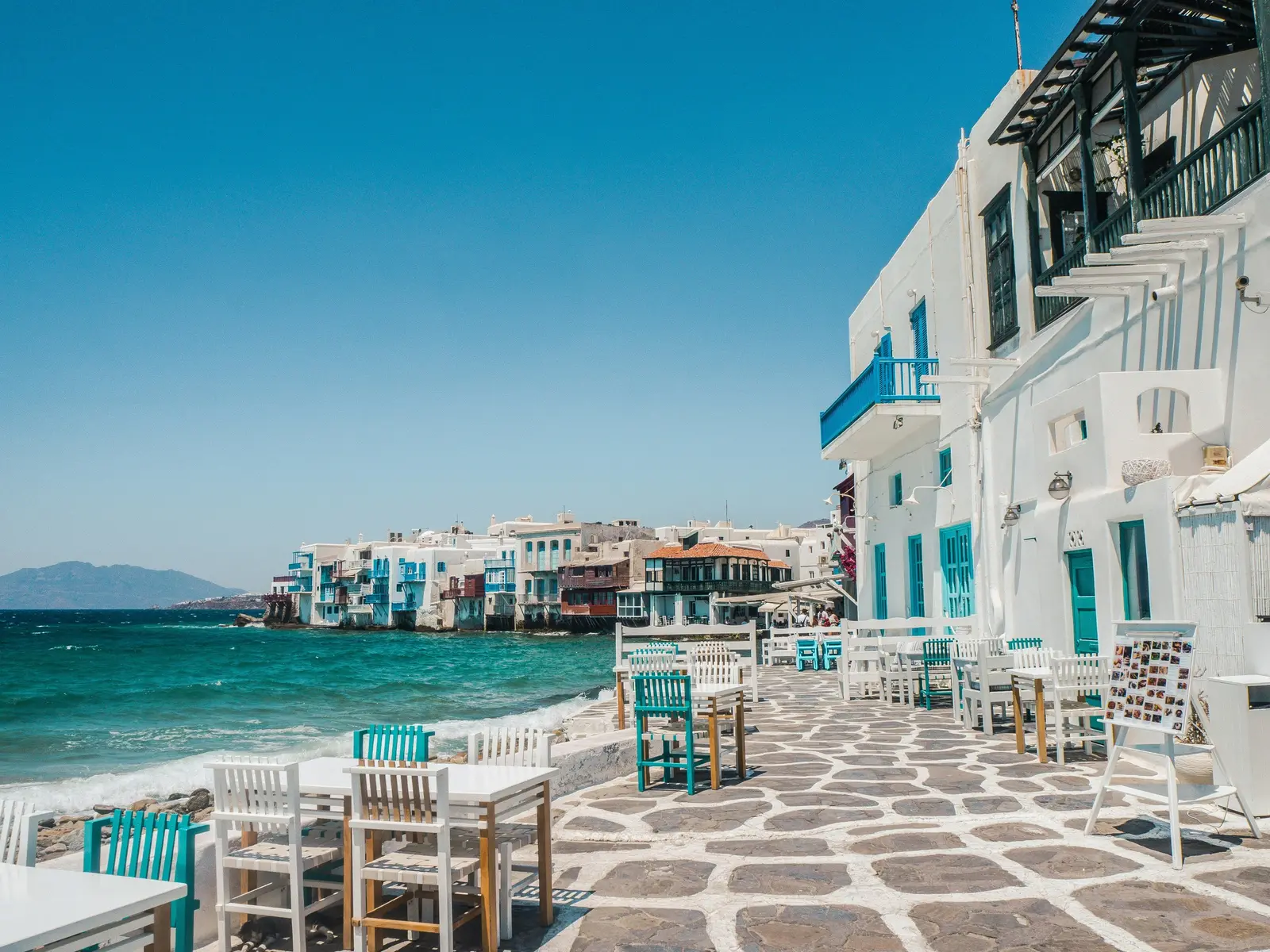
Best Greek islands: two per week, from €90 to €345 a day
Santorini and Naxos make the best first week, at €345 and €90 a day respectively. Here is how the islands compare on cost, ferry time and the months that work.