 Euro Roamer
What to do in Valencia: 4 sports events and one quiet coast
Valencia city is a two-day walk: old town, Turia park, City of Arts and Sciences, paella at lunch. Then head north to Castellón, or time your trip around the four big sports events of 2027.
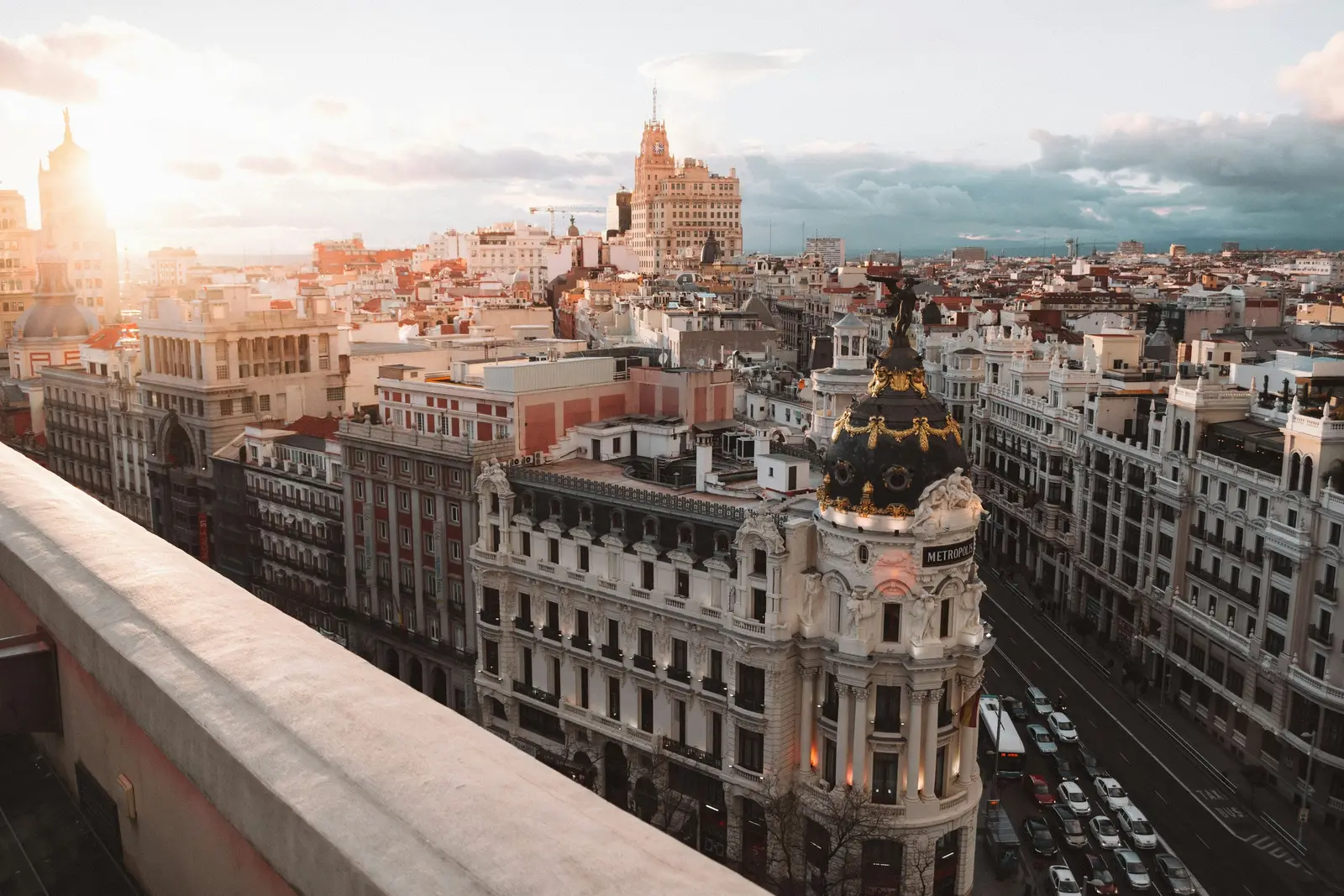
What to do in Valencia depends on whether you mean the city or the region around it. The city fits into two days on foot: the cathedral and the Central Market in the old town, the Turia riverbed that is now a park running east to the City of Arts and Sciences, and paella at lunch, which is when Valencians eat it. The region is the second question, and the Valencian tourism board has a clear answer about where it wants you next.
José Manuel Camarero Benitez, the region's vice-minister for tourism, spoke at World Travel Market in London about how the region handles visitor numbers. His line was that the board's job is managing tourism, which in practice means spreading people across different places and different months. The board is running a campaign called "could this be happiness?" and it sells small things: sand between your toes, the shimmer of the sea. Whether a slogan sells a trip is another matter. The practical upshot is that the region is actively pushing its quieter corners, and that usually means better prices for you.
The city: two days, mostly on foot
Start in the old town. The cathedral, the Plaza de la Virgen and the Lonja, the old silk exchange, sit within a few minutes of each other, and the Central Market is across the street from the Lonja, a tiled hall of iron columns and stained glass where you can buy a bag of figs and a wedge of cheese for lunch. Climb the Miguelete tower for the view over the rooftops; the stairs are narrow and the reward is the whole city laid out flat.
The river that once ran through the centre was diverted out of the city, and the drained bed is now a long park with cycle paths, palm trees and orange trees. Follow it east and you arrive at the City of Arts and Sciences, Santiago Calatrava's complex of white ribs and glass: an opera house, a science museum and the Oceanogràfic aquarium. It is the image you already have of Valencia, and it holds up in person. Keep going and you reach the beach at Malvarrosa, or you can take the tram.
For dinner, El Carmen around the old town and Ruzafa to the south are where the bars and restaurants cluster. Valencia is where paella comes from. Eat it at lunch, as locals do, and expect it to be cooked to order, often for two or more, so don't sit down at nine in the evening expecting it to appear in twenty minutes.
When to go, and why November is worth a look
November in Valencia is milder than most people expect. Camarero told Euronews Travel that the region had sunshine and temperatures above 20 degrees while he was speaking, warm enough for diving and swimming. That is one November, not a promise for every one, but it tells you the season runs longer than the package-holiday calendar suggests.
My rule for this stretch of coast is late May, June, September and October: warm sea, open ferries, room rates well below August. July and August are hot and full, and August is when Spanish families travel too, so the beaches that look empty in the photos are not. Las Fallas in March is the other extreme. If you want to be there for it, book months ahead; if you don't, check the dates before you pick a week, because the city fills and rates jump.
Castellón, the province the board is pushing
Camarero was direct about where the region's growth is meant to come from. Alicante has been the Valencia region's success for 60 years, he said, and Castellón will be the next one. The province north of Valencia city has the ingredients: langoustine in Vinaròs, hiking in the Sierra de Irta, prehistoric cave paintings at Ares del Maestrat, and canyoning in the gorge at Montanejos.
The coastal train stops at Castellón de la Plana and Vinaròs, so the towns work without a car. For the Sierra de Irta, Ares del Maestrat and Montanejos you want wheels, and the roads inland are slow, empty and worth the detour. Two nights here feels like a different trip from a city break, which is the point the tourism board is making.
2027 will be a heavy sports year
Valencia city has four big events on the 2027 calendar: the Copa del Rey basketball tournament, the European Indoor Athletics Championships, SailGP and the MotoGP Valencia Grand Prix. The MotoGP race runs at the Circuit Ricardo Tormo at Cheste, outside the city, but the hotels fill anyway.
If you're going for any of them, book accommodation as soon as the dates are confirmed. Race weekends and indoor athletics championships are exactly when rooms in a city like Valencia stop being reasonable. If you're not going for the sport, check the calendar before you book: four events in one year means more weekends when the centre is loud and the beds cost more.
Alicante and Benidorm, and who should skip them
Both are the region's crowded end. Benidorm is high-rise beach tourism at scale, with everything within a short walk of the sand. Alicante is a city with a beach and an airport close to town, which makes it the easy arrival point for a lot of the region. If you want a cheap beach week where you never need a bus, they work. If you want the version the tourism board is advertising, head north to Castellón.
Getting there and getting around
Valencia has an airport with a metro link into the centre, and it sits on the high-speed line from Madrid and Barcelona, so the train is a realistic alternative to flying for much of Spain. Inside the city you can walk most of what you came for, and the metro and tram cover the beach and the far end of the Turia. Fares, timetables and event dates change; check the official tourism and operator sites before you book anything non-refundable.
Frequently asked questions
- Is Valencia worth visiting in November?
- Yes, if you want mild weather and fewer people. The region's tourism vice-minister said Valencia had sunshine and temperatures above 20 degrees in November, warm enough for swimming and diving. It varies year to year, and some coastal businesses run shorter hours out of season.
- How many days do you need in Valencia?
- Two full days cover the old town, the Turia park, the City of Arts and Sciences and an afternoon at the beach. Add two or three nights if you want Castellón, and a car if you plan to hike the Sierra de Irta or see the cave paintings at Ares del Maestrat.
- What food is Valencia known for?
- Paella, which comes from here, and rice dishes generally. Eat paella at lunch, as locals do. Vinaròs, up in Castellón province, is known for langoustine.
- What sports events are in Valencia in 2027?
- The city is due to host the Copa del Rey basketball tournament, the European Indoor Athletics Championships, SailGP and the MotoGP Valencia Grand Prix during 2027. Exact dates were not published in the material I read, so check the official event sites before booking travel.
- Do you need a car in the Valencia region?
- Not for the city. For Castellón's interior, yes: the Sierra de Irta, Ares del Maestrat and Montanejos are far easier by car. Trains reach Castellón de la Plana and Vinaròs on the coast.
- Valencia or Alicante?
- Valencia for a city break with a beach and serious food. Alicante for a shorter, beach-first trip with the airport close to town. Benidorm suits a cheap resort week where everything is on foot.
Sources
More destinations
3 days in Naples: a 30-year visitor's plan for the city
A three-day Naples plan built around the historic centre, the Greek aqueducts under San Gaetano and one day out of the city, with what to book before you go and when to travel.
Best Greek islands: two per week, from €90 to €345 a day
Santorini and Naxos make the best first week, at €345 and €90 a day respectively. Here is how the islands compare on cost, ferry time and the months that work.

Black Friday travel deals 2026: up to 50% off Europe hotels
Expedia lists up to 50% off hotels and Booking.com up to 40% off stays, with its sale running to 2 December 2026. What those percentages really mean for a European trip.