 Euro Roamer
76% of Europeans plan an autumn or winter trip: where to go
76% of Europeans plan an autumn or winter trip this season, and the crush lands on Christmas. February and March are the quieter window, best spent in one place rather than four.
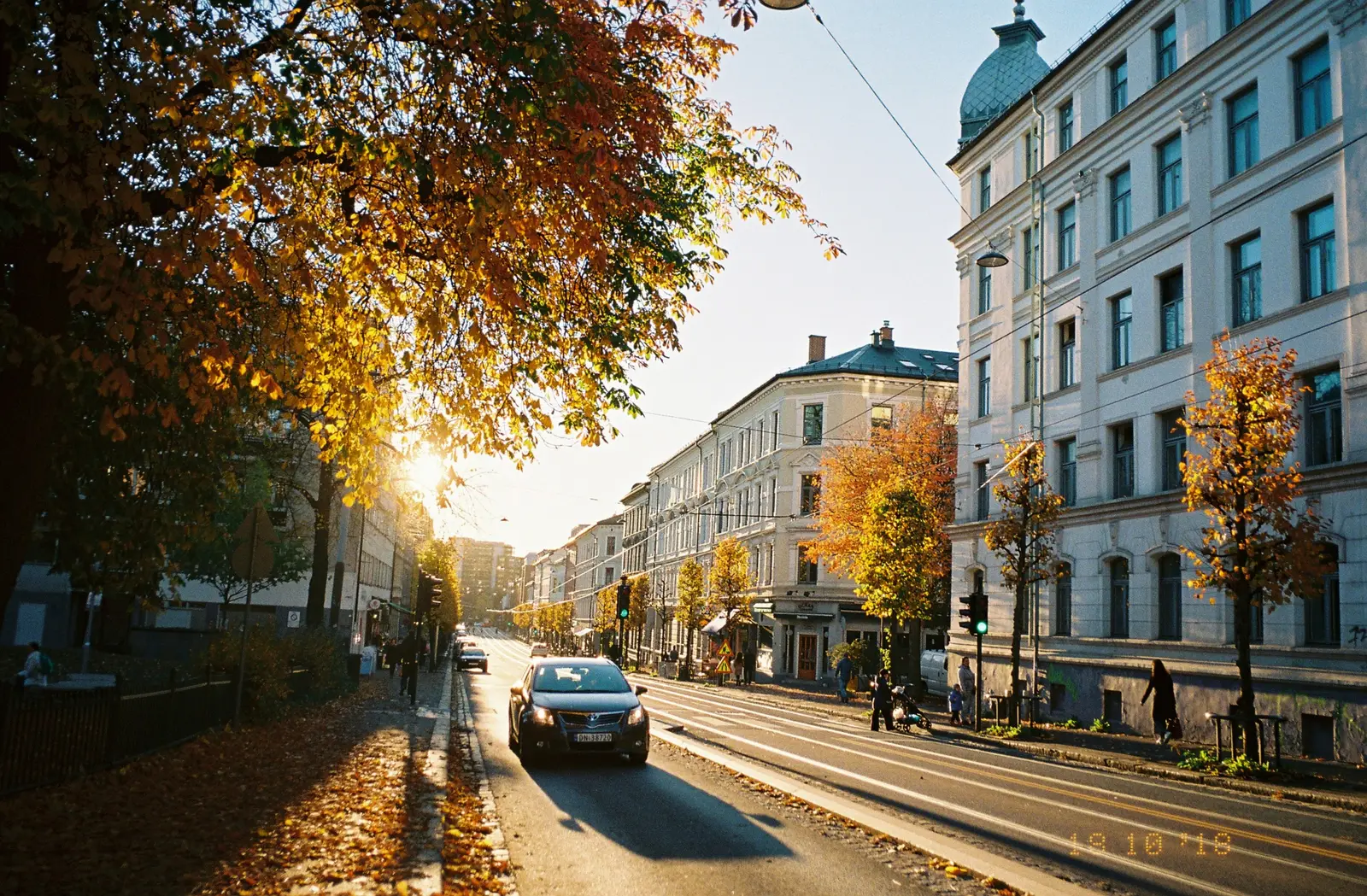
The best autumn and winter destinations in Europe this season are the ones you book for February or March and keep to a single place. The European Travel Commission's autumn and winter sentiment report, covered by Euronews in November 2026, found that 76% of Europeans plan an overnight trip between October 2026 and March 2027, three points more than last year, with demand peaking at Christmas and falling away in January. You get the same museums, the same coast and the same restaurants in the late-winter gap, with fewer people in front of you.
What the 76% figure actually covers
The survey took 6,000 respondents across Germany, the UK, France, the Netherlands, Italy, Belgium, Switzerland, Spain, Poland and Austria, all of whom had taken at least two overnight trips in the previous three years. That filter matters. These are people who already travel regularly, so the 76% describes where competition for seats and rooms will come from, not the plans of every household in Europe. Treat it as a map of the busy weeks rather than a forecast of airport queues.
December belongs to family visits
23% of respondents plan a trip during the festive period, the single busiest stretch of the winter. Of the December travellers, 34% are visiting friends and family, against 10% in other months. That mix sets the prices. Trains and flights around 24 December and the first days of January fill first, and city hotels charge accordingly for the market weekends.
If you're going for the markets and the lights, December works and you should book early. If you want a city you can walk through without steering around tour groups, you're paying a premium for the worst week of the year to do it.
January empties out, February and March hold up
Travel intentions drop in January and pick up across February and March, when 29% of respondents plan to go. Eduardo Santander, chief executive of the ETC, pointed to that increase in "typically quieter periods of the year" alongside growing interest in less-visited destinations, and said the two trends combined "could be leveraged to reduce tourism congestion". That's a consultant's way of saying the quiet weeks exist and the industry would like them filled. For you, it means February and March still price like off-season in plenty of places while the days lengthen fast.
Which trip format fits which month
Single-destination trips are the default: 60% of respondents choose them. The preference is strongest among people going for sun and beach (69%), skiing (67%) and city breaks (66%). Those three formats need different months, so match the month to the trip.
- Sun and beach: October and early November still work across the Mediterranean, and the Canaries and southern Spain keep mild days into December. By February the sea is cold and the resorts are half shut, which suits walking and long lunches and ruins the swimming.
- Skiing: the February school holidays are the crunch for both beds and lift queues. March is cheaper and sunnier but the snow sits higher, so choose a resort with altitude rather than the cheapest one in the valley.
- City breaks: November and February are the soft months. Athens, Seville, Palermo and Lisbon all give you mild afternoons and queues at the big sites short enough to join without planning.
Late winter against the Christmas peak
Pros
- February and March draw 29% of winter travellers against 23% for the festive period, so beds and seats are easier to find
- Off-season rates still apply in much of southern Europe before Easter
- Fewer people at the sites you came to see, without the heat of July
Cons
- Reduced winter timetables on ferries and some regional trains
- Half-closed resorts and restaurants in coastal towns
- Shorter daylight, so plan outdoor sights for the morning
The worries shaping this winter
Financial pressure is the leading concern, named by 37% of respondents. Geopolitical instability follows at 23%, then extreme weather at 10% and overcrowding at 9%. Safety is the top factor when picking a destination, chosen by 20% overall and by 45% of Polish respondents.
Those numbers explain the shape of the results: short, familiar, single-destination trips with less moving around. It's also the cheaper way to travel. Two nights in one city beats four cities in six nights once you add the train fares, and the money you save on timing is the most reliable saving in the whole trip. No app beats a Tuesday in February.
What I'd book
One region, four nights, in the first half of February or the second week of March. If you pick Greece, that means Athens with room to move at the Acropolis and ferries on reduced winter schedules, so check sailing days with the operator before you build an island hop around them. If you pick Italy, March gives you city streets before the heat and trattorias that aren't turning tables every forty minutes.
Wherever you land, check the EU's own pages for EES and ETIAS before you pay for anything. Both rollouts have been postponed more than once, and any summary written before this month is worth re-checking at the source.
Frequently asked questions
- Where are Europeans travelling in autumn and winter 2026-27?
- Mostly to one destination at a time: 60% choose a single-place trip. Sun and beach is the most popular purpose at 69%, skiing at 67% and city breaks at 66%. December is the peak, with 23% planning a festive trip, and February and March draw 29%.
- Is February or March cheaper than December in Europe?
- Usually, yes. December concentrates demand into the Christmas weeks and 34% of those trips are family visits, so transport and hotels charge peak rates. February and March sit outside that, and January is even quieter, though many coastal businesses close for the season.
- Is December a good time for a European city break?
- For markets and atmosphere, yes, if you book early. For sightseeing, no. It is the busiest stretch of the winter, hotels price for it, and museums run holiday hours. Go in February if the point of the trip is the city itself.
- Which European destinations work best in February?
- Southern cities with outdoor sights and mild afternoons: Athens, Seville, Palermo, Lisbon. Ski resorts work too, but choose altitude over price because the snow line is higher that month. Greek island hopping is limited by winter ferry timetables.
- Do I need ETIAS or EES for a winter trip to Europe?
- Check the official EU pages before booking. Both systems have had start dates moved more than once, and the rules differ depending on your nationality and whether you already hold a residence permit. A news article from last year is not a reliable guide.
Sources
More destinations

Türkiye's golden visa costs $150,000 for a three-year stay
Türkiye's new golden visa asks $150,000 for three years of residence or $200,000 for five, covers your spouse and dependents, and frees the money after 18 months. Applications aren't open yet.

New European flight routes 2027: Cairo, Bilbao and Tangier
The 2027 additions cluster in late March: Oslo to Seville on 24 March, Brussels to Cairo on 29 March, four Wizz Air routes from Naples. Here are the dates, the summer gaps and where fares may move.

When to leave for the airport: four numbers to set first
Flighty's when to leave feature turns your flight, drive and airport queues into one timeline with two alerts. The estimate is only as good as the cutoff you enter.