 Euro Roamer
EU sustainable tourism strategy: what it means for your trip
The EU Sustainable Tourism Strategy was published on 4 November 2026 with 20 million jobs behind it and almost nothing new for your passport. Here is what it covers and what it leaves to local authorities.
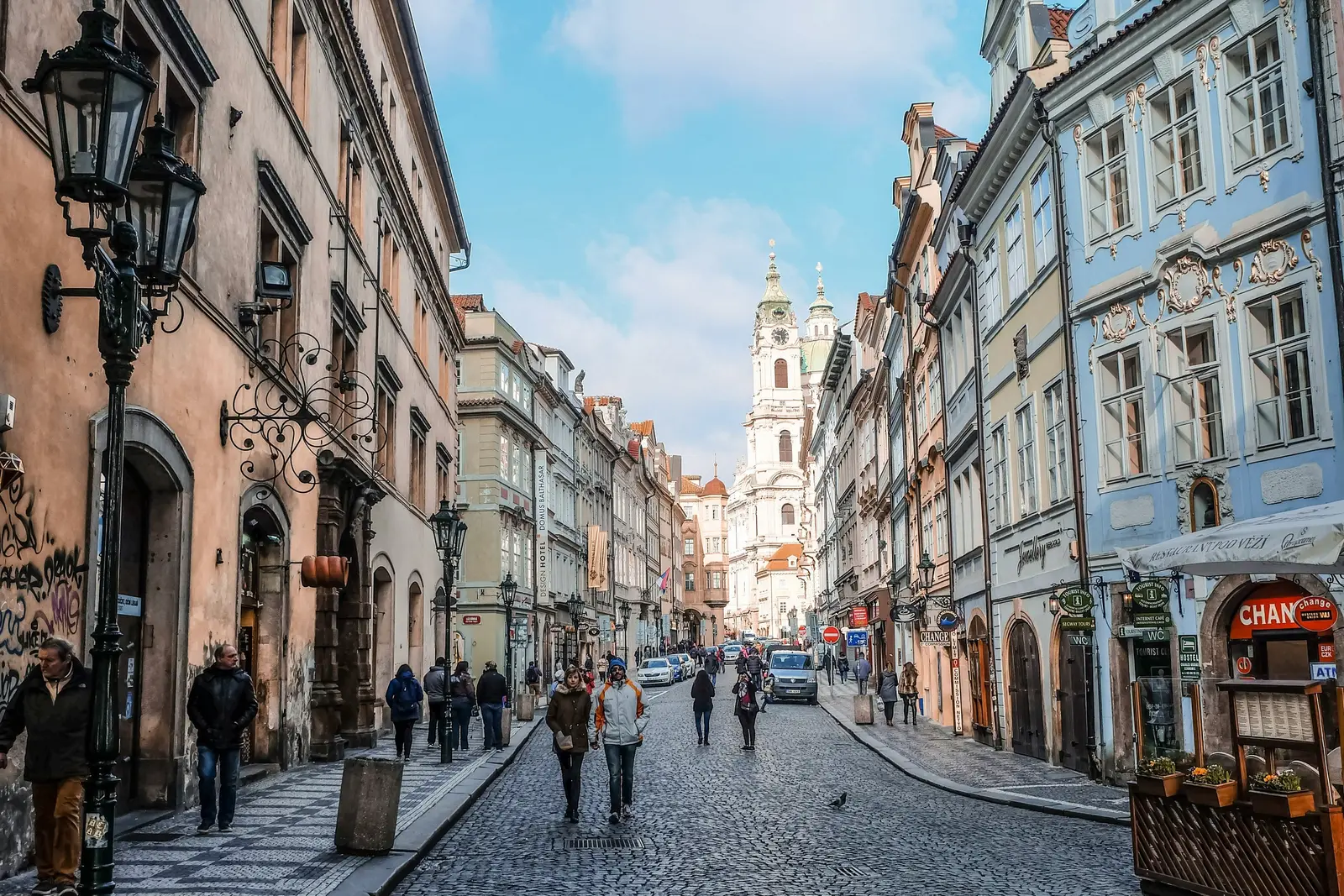
The European Commission published its first EU Sustainable Tourism Strategy on 4 November 2026. It is a coordination plan for the industry, and it adds no new entry requirements, visitor caps or fees for anyone travelling to Europe. The parts that reach you are indirect, arriving through the small businesses and destination managers who get the tools, the data and the lighter paperwork.
What is in the strategy
The announcement, made at a Brussels press conference, contains four moving parts. A high-level EU Tourism Alliance will seat member states, regions, local authorities, tourism businesses and other stakeholders at one table, with the stated aim of keeping Europe the leading global destination. Two promotion drives, Destination Europe and European Capitals of Tourism, will market the continent abroad. Tourism SMEs and destination management organisations get access to skills, digital tools and data. And the Commission promises to cut what it calls "unnecessary administrative barriers".
That last point is the one with any chance of reaching your booking. Of the EU's 5 million tourism businesses, 99% are small or medium-sized, which means the people running the apartment you rent in Naples or the guesthouse on Naxos are the ones filling in the forms. Shorter paperwork and shared data can show up as more small places listed and quicker replies to your emails. It can also show up as nothing at all, since the strategy sets a direction and leaves delivery to others.
The numbers the strategy rests on
Three figures carry the Commission's argument: tourism supports 20 million jobs in the EU, spreads across 5 million businesses, and contributes 10% of EU gross value added. Apostolos Tzitzikostas, the Commissioner for Sustainable Transport and Tourism, said at the press conference that tourism is "much more than holidays" and "a force for good", and that the diversity of Europe's countries and regions is what makes the continent the world's leading travel destination.
Why Brussels acted now
The European Travel Commission's Q3/2026 Trends & Prospects report, out around the same date, shows a summer that held up. International arrivals rose 3% on the same period in 2025, and 80% of European destinations recorded more foreign visits than a year earlier. Growth tilted north and east. Nights in Northern Europe climbed 7.2% against a 6.2% rise in arrivals, and Central and Eastern Europe came second, pulling travellers who wanted value for money.
The country numbers make that shift readable. Malta (+18%), Slovakia (+15%), Ireland (+13%) and Poland (+11%) all posted double-digit arrival growth, as did Romania and Montenegro, both +10%. Spain managed +5%, France +3% and Italy +1%. Sweden got a lift from cross-border travellers chasing affordability.
The same report explains the pressure behind the strategy. Geopolitical and climate instability is pushing prices up and weakening travel confidence, and higher energy costs are set to squeeze household budgets and change how people travel in the coming months. The European Travel Commission welcomed the strategy as a positive first step toward deeper cooperation between EU institutions and the industry. That is restrained praise from a body that stands to gain from it, and it tells you how binding the document is.
What it does not change
Entry rules. The EU's border systems, EES and ETIAS, come from separate legislation on their own timetable. Check the official EU or national government pages before you book; treat any summary, this one included, as a starting point only.
Prices. Nothing in the announcement caps what a ferry operator charges for a July crossing to Santorini or what a hotel in Rome asks for a Saturday night. The published strategy contains no price measures.
Numbers at crowded sites. Visitor limits come from local and national authorities. The Commission's document adds none of its own. The reported details also carry no budget figure or deadline for the Alliance, so each promise is a direction with the date still to be set.
Where the value is moving
If you are planning next summer on a tight budget, the arrival figures are the practical half of this story. The destinations growing fastest are the ones that were cheap next to the old favourites: Poland, Slovakia, Romania, Montenegro. A 15% or 18% jump in arrivals shows up in room rates within a season or two, which means the value is real now and probably thinner by 2028. I would use the shoulder months, May, June, September and October, before I would chase a specific cheap country, because timing saves more than the map does.
The northern figure deserves a second look. Nights up 7.2% while arrivals rose 6.2% points to longer stays, and the ETC credits affordability for the cross-border traffic that lifted Sweden. If the Nordics have been on your list and off your budget, that gap is the reason to look again.
What to watch over the next year
Does the EU Tourism Alliance meet in public and publish anything you can read? Does the red tape promise turn into shorter permitting for small operators, which would put more family-run rooms back onto booking sites? Separately, watch whether Destination Europe marketing pushes summer crowds toward the countries that gained this year. That would erode the price advantage which pulled people there in the first place.
None of this changes what you do this month. Pick dates outside July and August if your schedule allows, book summer ferries as soon as the timetable opens, and check EES and ETIAS on the official EU pages before you book flights.
Questions travellers ask
- What is the EU Sustainable Tourism Strategy?
- A framework the European Commission published on 4 November 2026 to keep European tourism competitive and better able to absorb shocks. It creates an EU Tourism Alliance, runs promotion campaigns such as Destination Europe, and gives small tourism businesses access to skills, digital tools and data. It sets direction and leaves the binding rules to member states and existing EU law.
- Does it change entry rules for British or American visitors?
- No. Entry requirements come from separate EU legislation, including EES and ETIAS, and from national law. The tourism strategy does not alter either. Check the official EU pages for the current start dates before you book.
- Will it make holidays in Europe cheaper?
- Not directly. There are no price caps, no subsidy for ferry tickets and no tax change in the published plan. Any effect on what you pay would come slowly, through more small accommodation returning to the market if permitting gets simpler.
- When was the EU Sustainable Tourism Strategy published?
- 4 November 2026, at a press conference in Brussels. It is the Commission's first strategy dedicated to tourism, a sector it says supports 20 million jobs and 10% of EU gross value added.
- Which European destinations are growing fastest?
- Malta (+18%), Slovakia (+15%), Ireland (+13%) and Poland (+11%) led arrival growth in summer 2026, with Romania and Montenegro both at +10%, according to the European Travel Commission. Spain rose 5%, France 3% and Italy 1%.
- Does the strategy limit visitor numbers at overcrowded sites?
- No. Caps and timed entry at busy sites are set by local and national authorities, and the strategy adds none. If a city or museum limits entry, it is acting under its own rules.
Sources
More destinations
Türkiye's golden visa costs $150,000 for a three-year stay
Türkiye's new golden visa asks $150,000 for three years of residence or $200,000 for five, covers your spouse and dependents, and frees the money after 18 months. Applications aren't open yet.

New European flight routes 2027: Cairo, Bilbao and Tangier
The 2027 additions cluster in late March: Oslo to Seville on 24 March, Brussels to Cairo on 29 March, four Wizz Air routes from Naples. Here are the dates, the summer gaps and where fares may move.

When to leave for the airport: four numbers to set first
Flighty's when to leave feature turns your flight, drive and airport queues into one timeline with two alerts. The estimate is only as good as the cutoff you enter.